
 EN
 한국어
 日本語
 中文
 Español
 Français
 Deutsch
 Nederlands
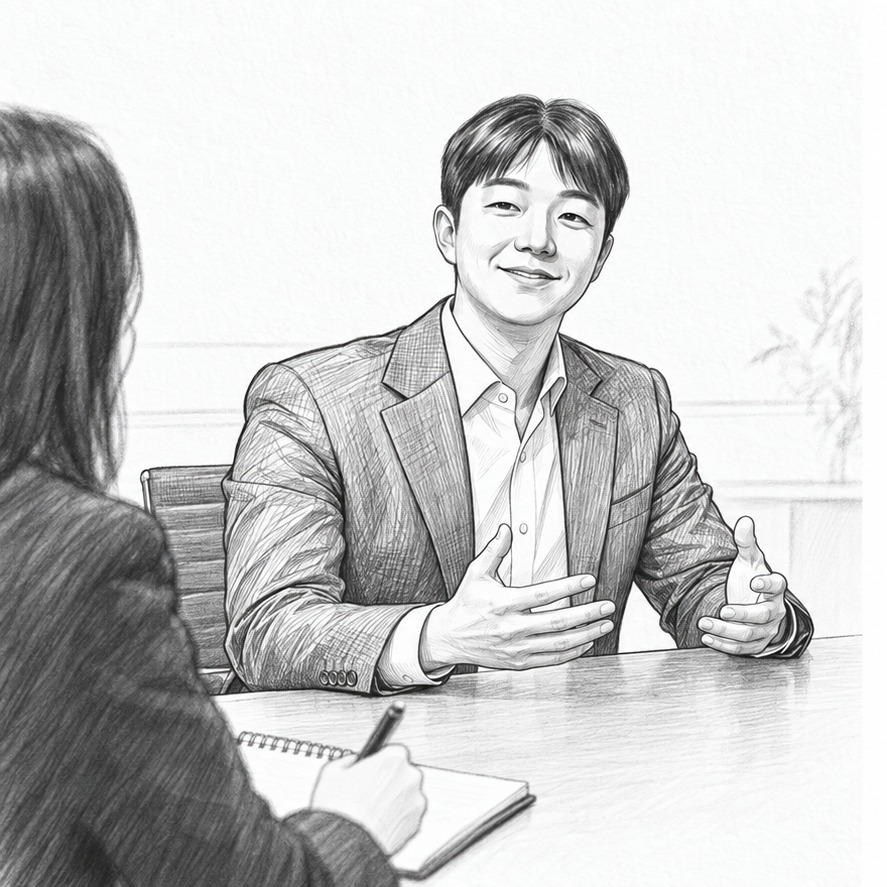
How do questions arising in practice become learning, and how does that learning inform judgments for clients? This interview with Seungyeob Baik explores the direction of learning and growth at Near & Wise.
What kind of firm would you like Near & Wise to become?
I have long felt there was something missing in the way patent firms work. Filing patents, reviewing documents and handling the matters entrusted to us well are, of course, important. They are the foundations of our practice. But I felt we should ask whether simply completing our daily work allows our people to realise their full potential.
When work is busy, there is little time to study a new field or look into the questions professionals in other countries are considering. There is always something that needs doing immediately. Yet if we work only within that circle, we may remain confined to solving familiar problems in familiar ways.
I want Near & Wise to be a firm where everyone can see their next possibility: a place where people do their work well while understanding its background and principles, learning new things and expanding their roles.
What exactly do you mean by that “next possibility”?
It means building expertise in one's own field, sharing experience and ideas with colleagues, and becoming able to suggest better ways of working.
This is not only about patent attorneys. Reviewing technology and law, coordinating international matters, and managing deadlines and procedures all require depth and judgment. I believe expertise develops as we consider why a procedure is needed and what changes would make our work more accurate and efficient.
The firm should provide opportunities to learn and an environment where people can share what they discover, so that they can keep asking those questions. As their careers develop, I hope the scope of what they can judge independently and contribute will grow too.
Why do you consider scholarly activity important in that process?
Because years of practical experience do not automatically deepen the knowledge and perspectives that support our work.
In practice, we must make decisions and deliver results within a set time. Often it is difficult to concentrate on a single issue and thoroughly examine the relevant theories and institutions. Nevertheless, we must keep studying the reasoning behind the laws and systems we apply, and the debates arising around new technologies.
Patent attorneys on the front line of practice cannot focus entirely on research. But that does not mean scholarly study can be put aside. We need a process that turns questions arising in practice into study, then applies that learning when reviewing cases.
I believe those working in practice should continually develop the scholarly side of their work too. That enables us to reconsider whether familiar methods remain appropriate for today's problems and to strengthen the foundations of the advice we give clients.
I believe those working in practice should continually develop
the scholarly side of their work too.
Do you see conference participation as part of that learning?
Yes. Conferences let us encounter the issues professionals in different countries currently regard as important, along with questions on which views have not yet settled.
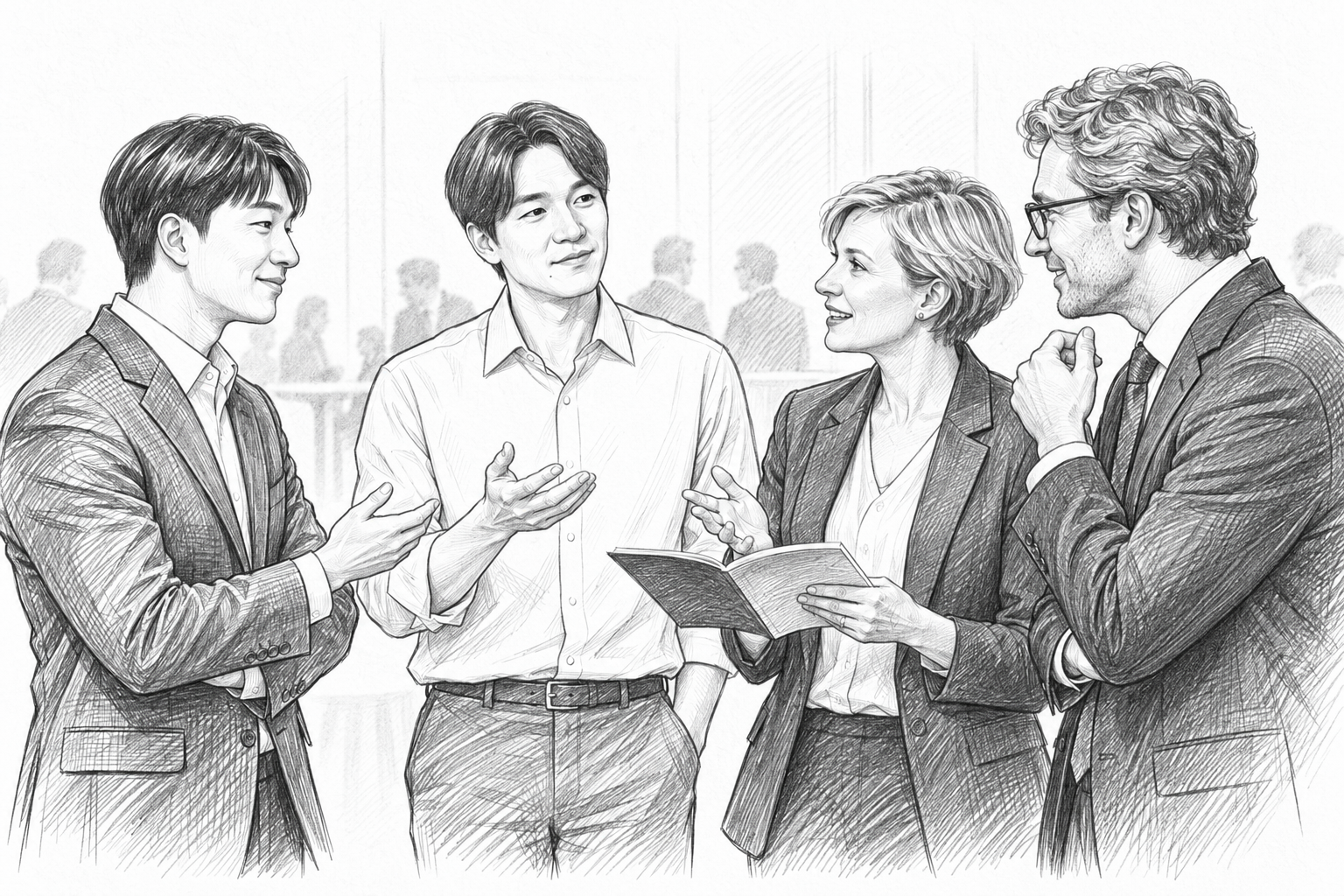
Asking questions and discussing
Attending a session as a listener is meaningful too. We can hear the problems speakers raise, the grounds for their conclusions, and where the audience has doubts. We may also discover questions that seldom arise in our everyday practice.
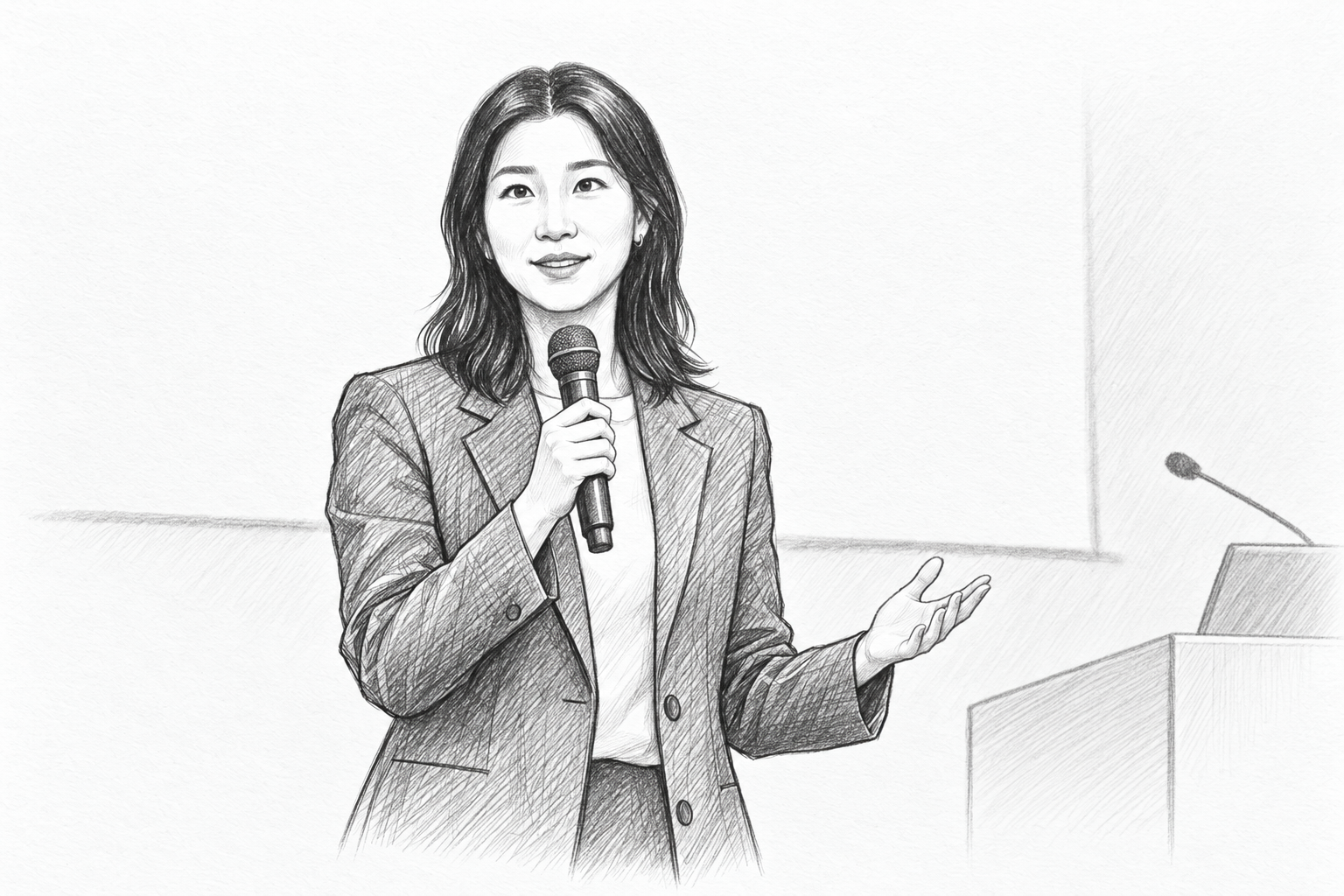
Taking part as a speaker
Learning changes again when we participate as speakers. Beyond organising what we know, we must check for gaps in our explanations and compare them with other systems and perspectives. Questions from the audience may reveal areas needing further examination.

Organising a conference
Organising a conference also calls for scholarly reflection. We must consider what is worth discussing now, which perspectives need to meet to deepen the discussion, and which questions will be useful for practitioners. Developing the programme can itself become a way of studying developments in a field.
Although the roles differ, each offers opportunities to broaden our knowledge and examine our thinking.
How is that direction taking shape at Near & Wise?
Patent attorney Taeweon Lyu took a leading role in preparing and running the LESI YMC event in Seoul. Helping create an international forum gave him an opportunity to consider its themes and programme and encounter the perspectives of different professionals.
Patent attorney Jiyoung Yoon attended the AIPPI event in Hamburg and is scheduled to join a panel at the LESI YMC European Conference on 13 November, comparing pharmaceutical systems and regulation in Europe and Korea.
Explaining systems comparatively requires more than knowing their individual provisions: it also means examining why differences arise and what they mean in practice. Preparing a presentation therefore becomes an opportunity to reorganise and study one's own field in depth.
I hope such experiences will accumulate throughout our people's careers. If questions and learning from events are shared within the firm, that learning can reach colleagues who did not attend as well.
Do these activities actually improve practical skills?
Yes, although attending an event alone does not necessarily improve one's practical abilities. What matters is what we prepare, which questions we consider, and what we re-examine after returning.
For example, encountering systems and cases from other countries prompts us to reconsider assumptions we have come to take for granted. Different issues may be regarded as important for the same technology, and even seemingly similar systems can differ in how they are applied.
Understanding those differences broadens what we can consider when reviewing a client's situation. It may help us identify a new issue, supplement an existing opinion, or formulate more precisely the additional questions we should ask a client.
This, I think, is where scholarship connects with practice. It is not enough to know a great deal from our studies; we need to use that knowledge to understand real problems more deeply and make judgments. Only as that process accumulates does it benefit clients.
As AI advances, what kinds of learning are becoming more necessary?
Finding and organising existing knowledge is becoming easier. We should actively embrace that change. At the same time, I feel it is increasingly important to judge whether an explanation is sound and whether it can be applied to the case under review.
Such judgment requires foundations. We must understand the purposes of laws and institutions, grasp the technology accurately, and examine how far the relevant discussions have progressed.
I see scholarly study and discussion as a way of continually strengthening those foundations. Explaining our thinking and answering others' questions clarifies both what we know and what we still need to investigate.
While using new tools well, we must also be able to explain the grounds for our judgments ourselves. That is why I believe we need a culture in which learning is never completely set aside, especially when we are busy.
What must the firm do to build that culture?
Study and new challenges are difficult to sustain if they depend solely on an individual's enthusiasm.
Preparing a presentation takes time, and studying a new subject sometimes requires work to be rearranged. It also requires colleagues who can review things together. If the firm says these activities matter, it must provide the conditions that make them possible.
Everyone need not do the same activities. Some may speak or take part in discussions; others may attend sessions that interest them and share their notes. Identifying recurring problems in our work and researching better methods is also a meaningful form of learning.
I want to create a flow in which people learn in ways suited to their roles, share the results and apply them in practice. As that learning builds up within the firm, individual growth and organisational capability can grow together.
What kind of firm will a Near & Wise that grows this way become for clients?
I hope it will be a firm with which clients can discuss complex problems together.
On the foundation of accurately handling matters, we must understand our clients' technology and business and work through the necessary judgments with them. If an international perspective is needed, we should consider its context; if a new issue arises, we should study it sufficiently to offer a view.
If we continue studying problems found in practice and applying that learning back to our work, the advice we offer clients will deepen. I want our people's learning to come back as value for clients.
What would you most like to see at Near & Wise in the future?
I would like people working here to look forward to who they can become next.
I hope they can gradually picture the expertise they will develop as their careers grow and the work they will be able to lead independently. And, looking back later, I would be pleased if they felt that working here together had expanded their possibilities.
Near & Wise is still taking shape. There is more to put in place, and much we will need to adjust as we try things in practice. In that process, I also hope to see our people suggest directions I had not considered and take the lead in new work.
A firm where people's experience and learning help their colleagues grow, and where the capabilities built in that way provide better help to clients: that is the Near & Wise I want to build.